Newsletter Subscribe
Enter your email address below and subscribe to our newsletter
Enter your email address below and subscribe to our newsletter

 ByJohn A
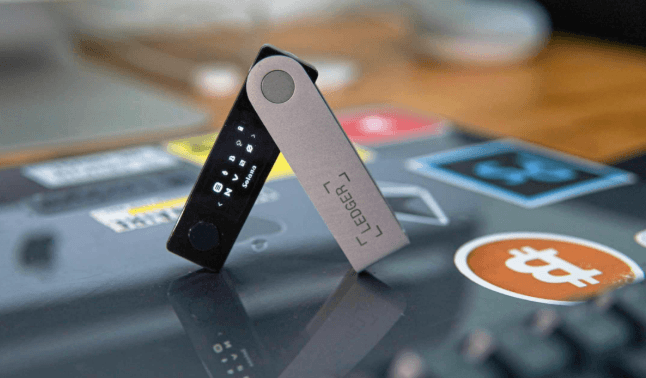
A crypto wallet secures funds by safeguarding private keys and controlling access. Choosing the right wallet depends on use, risk tolerance, and custody needs. Safe practice emphasizes offline storage for long-term keys, hardware wallets when possible, and minimized exposure of seeds or passwords. Ongoing vigilance includes firmware updates, multi-factor authentication, and phishing awareness. The balance between convenience and security invites careful assessment, with safeguards in place to prevent slip-ups and recover from mistakes if they occur.
A crypto wallet enables users to control and access their digital assets by storing the cryptographic keys that authorize transactions. It acts as a gateway to funds, enabling sending, receiving, and viewing balances while preserving ownership.
The framework emphasizes security pitfalls and the need for user education to prevent loss, fraud, and unauthorized access through informed, deliberate practices.
Choosing the right crypto wallet depends on balance between security, usability, and access to assets; assessing priority objectives helps determine which type best fits a given user’s needs.
Wallet selection hinges on purpose, device trust, and compatibility with desired ecosystems.
Security considerations include recovery options, firmware updates, and risk exposure; users should compare features, warranties, and community reviews before committing to a solution.
Safeguarding crypto keys and funds hinges on disciplined credential management and defensive engineering. Effective practices include minimizing exposure, using hardware wallets where possible, and maintaining compartmentalization across devices.
Privacy backups should be encrypted and stored offline, with recovery details separated from access. Phishing awareness training reduces social engineering risk, while routine audits verify controls, safeguarding autonomy without compromising trusted freedom.
Recognizing scam red flags, such as unsolicited requests and counterfeit interfaces, supports rapid containment. Recovery plans prioritize wallet integrity, transaction reversibility where possible, and cautious, informed decision-making.
A cautious analyst notes that backing up wallet access across devices relies on secure backup phrases and careful device synchronization. It emphasizes offline storage, multi-factor verification, and minimizing exposure to theft or loss during cross-device access.
Yes, a hardware wallet can pair with mobile apps, though it emphasizes security over convenience. Using hardware offers strong security trade offs; ensure recovery phrase ethics, clear device onboarding, and assess mobile compatibility before proceeding.
See also: The Basics of API Economy
Wallet fees and maintenance costs vary; they can include transaction fees, exchange spreads, and periodic hardware or software updates. Maintenance costs may be negligible for basic use yet significant for complex portfolios, requiring vigilant budgeting, comparison, and evidence-based planning.
To share funds securely without exposing keys, one should implement privacy best practices and perform a risk assessment, using multi-signature wallets and time-locked transactions, while maintaining minimal disclosure, auditable provenance, and independent verification of recipient addresses.
The answer hinges on jurisdiction; mnemonic legality varies, and regional protections may apply. In some regions, mnemonic phrases are legally safeguarded as property or private data, while others provide limited or no explicit protection. Vigilant, jurisdiction-specific legal counsel is advised.
A quiet most people don’t notice sits beneath every transaction: the moment a wrong move could undo months of care. The wallet, guarded by layered safeguards and offline backups, stands as a fragile dam against unseen tides. When temptation blurs steps, vigilance tightens the gaps—firmware updated, seeds kept separate, permissions reviewed. In the final ledger, a single disciplined choice can preserve a fortune; a single lapse, reveal how swiftly danger can arrive and vanish with a misstep.